Are We Alone? The Search for Extraterrestrial Life
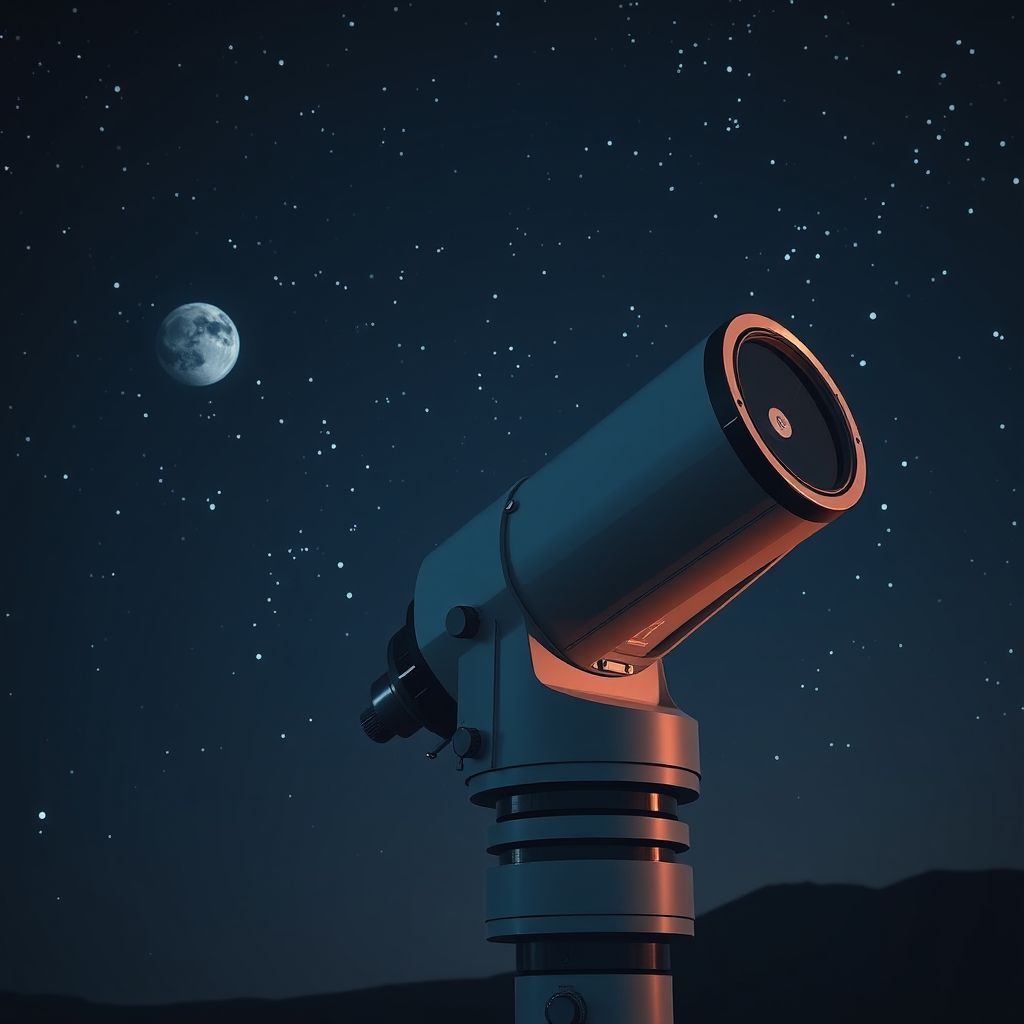
Are We Alone? The Search for Extraterrestrial Life has captivated human imagination for centuries. From ancient civilizations pondering the stars to modern scientists using sophisticated telescopes, humanity’s quest to understand if life exists beyond Earth is both profound and urgent. This article delves into the multifaceted efforts dedicated to uncovering evidence of extraterrestrial intelligence, examining recent advancements in technology, scientific theories, and philosophical implications.
- Introduction
- The Fermi Paradox: A Conundrum for SETI
- Exoplanet Discoveries and Their Potential
- Techniques in the Search for Extraterrestrial Life
- Key Missions and Projects Driving the Hunt
- Challenges and Future Directions
- The Philosophical Impact of Finding Extraterrestrial Life
- Conclusion: What Lies Ahead?
Are We Alone? The Search for Extraterrestrial Life: An Overview
The concept of Are We Alone? The Search for Extraterrestrial Life has been a cornerstone of scientific inquiry, blending astronomy with the philosophy of existence. With the advent of powerful telescopes and advanced computational tools, scientists are now more equipped than ever to explore the vast cosmos in search of signs of life beyond our planet.
The implications of finding extraterrestrial life would be monumental, reshaping how we perceive ourselves within the universe and challenging long-held beliefs about human uniqueness. This quest is not just a scientific endeavor; it touches on fundamental questions about our place in the cosmos and our responsibilities towards potential cosmic neighbors.
The Fermi Paradox: A Conundrum for SETI
The Fermi paradox poses one of the most intriguing questions in the field of astrobiology: given the vast number of potentially habitable planets, why have we not detected any signs of intelligent life? Named after physicist Enrico Fermi, this paradox underscores a significant challenge faced by researchers engaged in the Search for Extraterrestrial Intelligence (SETI).
Potential Explanations
Several theories attempt to resolve the paradox. One explanation is that advanced civilizations may exist but are technologically silent or prefer not to communicate due to ethical considerations. Another possibility is that intelligent life forms eventually destroy themselves through war or environmental catastrophe, preventing them from reaching out.
Exoplanet Discoveries and Their Potential
The discovery of exoplanets—planets orbiting stars other than the Sun—is a significant step forward in Are We Alone? The Search for Extraterrestrial Life. Over 4,000 confirmed exoplanets have been identified, with many located within the habitable zone where conditions might support life as we know it.
Habitable Zones
The Goldilocks Zone or circumstellar habitable zone refers to a region around a star where temperatures are neither too hot nor too cold for liquid water to exist. Planets like Kepler 452b and TRAPPIST-1e, which orbit within this range, offer tantalizing possibilities.
Techniques in the Search for Extraterrestrial Life
Researchers employ a variety of methods to detect signs of life on exoplanets. Spectroscopy, imaging techniques, and biosignature detection are among the most promising approaches.
Spectroscopy
Spectroscopic analysis can identify organic molecules in an exoplanet’s atmosphere that could indicate biological activity. For instance, methane and oxygen together would be a strong indicator of life as we know it.
Imaging Techniques
Direct imaging of planets around other stars is increasingly feasible with advancements like the Extremely Large Telescope (ELT). These telescopes can capture detailed images, providing clues about planetary atmospheres and surfaces.
Key Missions and Projects Driving the Hunt
A number of ambitious missions are underway to advance our understanding of life’s potential elsewhere in the universe. NASA’s TESS (Transiting Exoplanet Survey Satellite) and ESA’s CHEOPS (Characterising ExOPlanets Satellite) are at the forefront.
NASA’s TESS
TESS searches for exoplanets by monitoring thousands of stars simultaneously, looking for periodic dips in brightness caused by planets passing in front. This mission has already contributed to numerous discoveries and will continue to provide valuable data for further analysis.
Challenges and Future Directions
The search for extraterrestrial life faces significant challenges, from the limitations of current technology to philosophical debates about the meaning of discovery. However, recent developments in astronomy offer hope that these obstacles will be overcome.
Technological Advancements
Innovations such as advanced spectrographs and next-generation telescopes are expanding our capabilities for detecting biosignatures on distant worlds. These tools promise to reveal more about the environments of exoplanets, bringing us closer to answering Are We Alone? The Search for Extraterrestrial Life.
The Philosophical Impact of Finding Extraterrestrial Life
The discovery of extraterrestrial life would profoundly affect human philosophy and culture. It could challenge our understanding of intelligence, consciousness, and the ethical implications of encountering other intelligent beings.
Ethical Considerations
Discovering intelligent life raises complex ethical questions regarding communication protocols and cultural exchange. There is a need for international agreements on how to respond if contact is made with an extraterrestrial civilization.
Conclusion: What Lies Ahead?
The search for Are We Alone? The Search for Extraterrestrial Life continues to be one of the most exciting frontiers in science and philosophy. With ongoing technological advancements and increased collaboration among researchers, humanity is poised to make groundbreaking discoveries about our place in the cosmos.

- OrginCosmic
- Interstellar Probes and the Future of Space Exploration March 27, 2026
- How Supernovae Shape Galaxy Evolution March 27, 2026
- Unexplained Transient Astronomical Events March 27, 2026
- The Role of Dark Energy in Cosmic Evolution March 27, 2026
- Vacuum Decay: A Doomsday Scenario for the Universe? March 27, 2026